Dress the room
In an overly complicated and anxious world, it is refreshingly easy to mellow the mood of room with a well placed lamp or re-energise it with a cheery vase. I'm not great with houseplants myself, unless they're the sort that thrive on neglect, but a hardy spider plant in a pretty pot on a bookshelf is not outside my capabilities, and instantly uplifting.
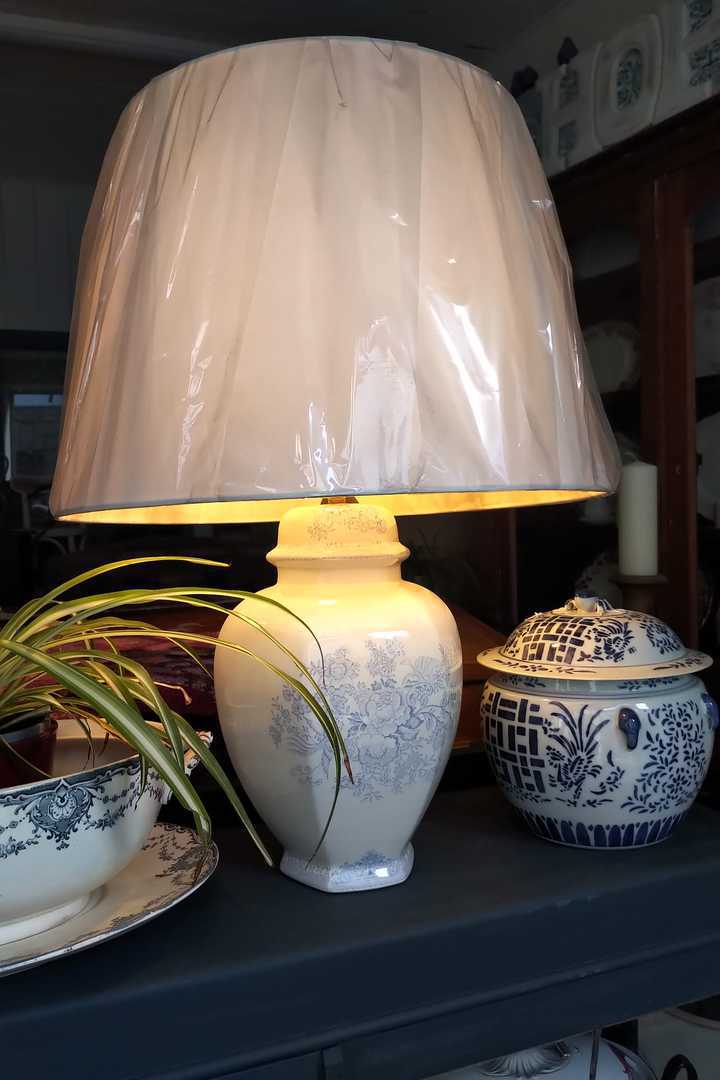
Burleigh "Asiatic Pheasants" lamp with shade - £280
Still going strong after 175 years, Burleigh is one of the oldest and last remaining of the British potteries. Everything they produce is handmade in Stoke-on-Trent, from start to finish. It is the only factory that still decorates using the traditional tissue transfer technique, just one of the highly skilled processes involved in making each piece. This wonderful lamp is "new", as in "unused", but production was discontinued ten years ago so it has vintage rarity appeal.
Chinese crab pot - £60
The blue and white pot to the right in this photo has the striking patterns of an authentic ginger jar, but it's heavier earthenware with a thick rim and domed lid so it would be suitable for use as oven-to-tableware, such as a soup, vegetable or rice pot. I've called it a "crab pot" only because it has a crab on its lid. Maybe it's a thing.
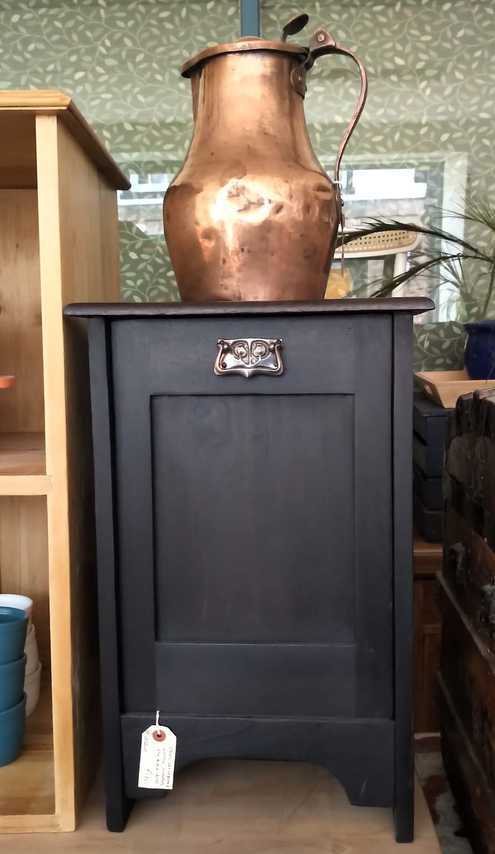
Early 1800s copper water jug - £200
This traditional water jug is classically Georgian, with a good few dents and dings indicative of a long and eventful life. Tin lined, with a hinged lid, and no leaks, it's functional too. On a hot summer day, cold water from a copper jug is about the crispest, cleanest, quenchiest way to stay hydrated. The rest of the year, stick it on the mantlepiece and watch how the light makes it smoulder and glow.
Edwardian multi-scuttle - £175
A scuttle is a highly versatile bit of kit - when it comes in the form of a mini side table with generous storage. Originally designed for the fireside to hold coal or kindling, these days we have a lot more clutter and therefore many other potential scuttling requirements. Which is why I call them multi-scuttles. Use it for socks, or root veg, or jam jars, or a safe place to keep your sheepskin slippers so the puppy doesn't chew them into useless scraps of soggy chamois leather. Do I speak from experience? You betcha. Anyway, this one needed a lot of remedial work, the poor thing was cracked, split, warped and looking like it was turning itself into kindling. However the steel bucket inside was in good shape, so I've mended the frame, stained it ebony and finished with Osmo Polyx oil to feed and protect the wood.
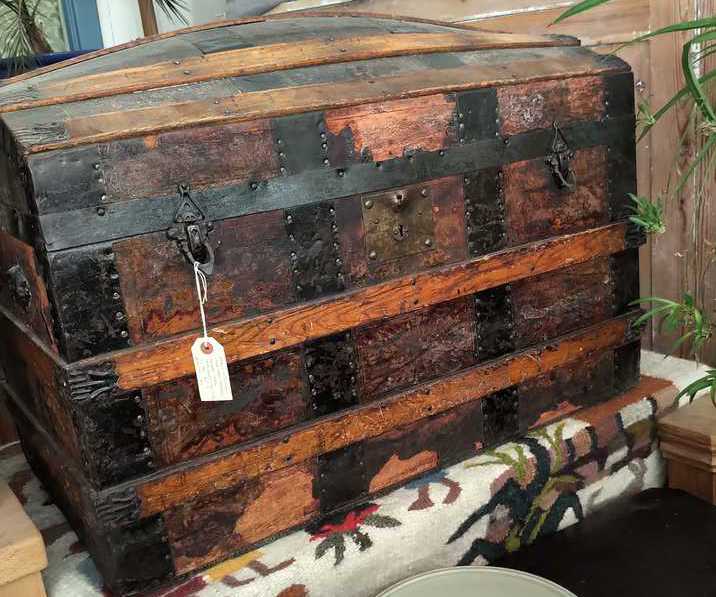
19th Century Travelling Chest - £250
More stay-at-home decorative than functional for modern travel, this ancient chest looks like it could tell a tale or two. Known as a dome-top or barrel-top steamer trunk, these chests were most
commonly made 1870–1900. Here's a fun fact -the distinctive curved lid was a specific design feature for long-distance travel on steamships and trains. It stopped baggage handlers from stacking
other heavy luggage on top, keeping it safe from crushing.
This one is has a wooden carcass, bound in thin leather and reinforced with horizontal slats of wood and steel banding. Internally are lift out sections that have been papered. I wouldn't dare try to
restore any of it - that would be a recipe for disaster. But no reason not to enjoy it in a safe bedroom corner and use it to store winter woollens.
 Print
Print 